Context and objectives for agriculture content platforms
Agriculture remains a sector with significant demand for technical informational research in the digital landscape. This project was initiated to build a verified informational resource, supporting practitioners and users interested in husbandry and cultivation techniques with useful instructional guides. The primary technical challenge in this niche is the variety of regional terminology and the requirement for verifiable informational trustworthiness.
The campaign aimed to achieve organic discovery milestones ranging from 2,000 to 3,000 visits per month for each web property within the network. Focusing on potential query clusters with stable search volume assisted the properties in establishing a presence and securing prioritized visibility for critical thematic groups related to husbandry and agricultural technology.
Keyword research strategy and niche market demand
The execution workflow began with isolating authentic user search intent through data analysis frameworks. We prioritized not only high-competition phrases but focused on "potential queries" (low-competition, high-intent clusters) where the current market content quality remained insufficient. This methodology allowed the properties to cover specialized niche topics such as poultry technical guides, facility construction, and husbandry maintenance.
Utilizing technical content coverage assessments helped identify specific "knowledge gaps." By integrating these targeted query clusters with related thematic groups, the properties developed a logical content matrix aligned with user intent. This serves as the foundation for attracting high-utility traffic with consistent engagement rates.
On-page optimization and entity navigation structure
The web infrastructure was developed using a functional and logical model, ensuring automated search crawlers could efficiently collect and categorize data. Optimizing the site structure facilitates seamless user movement between technical guides and informational updates. Every technical component, from titles and metadata to image markers, was standardized to reinforce entity recognition signals.
The internal linking architecture was designed to distribute equity across critical pages while creating a continuous informational discovery path for readers. This enhances interaction duration and reduces bounce rates, sending positive utility signals to search engine evaluation systems.
Building external signal networks and content authority
External signal strategies were implemented with a focus on relevance and source trustworthiness. We concentrated on establishing signals from sector-specific informational platforms and public encyclopedic repositories. Contributing verified data to authoritative platforms assisted the properties in accumulating sustainable entity authority metrics.
Content distribution via professional social channels provided supplemental signals. Observations from real user interactions assist search engines in recognizing the web property as an active digital entity. Combining high-value content with a robust verification network ensures stable visibility even during significant algorithmic shifts.
Performance indicator analysis from administrative data
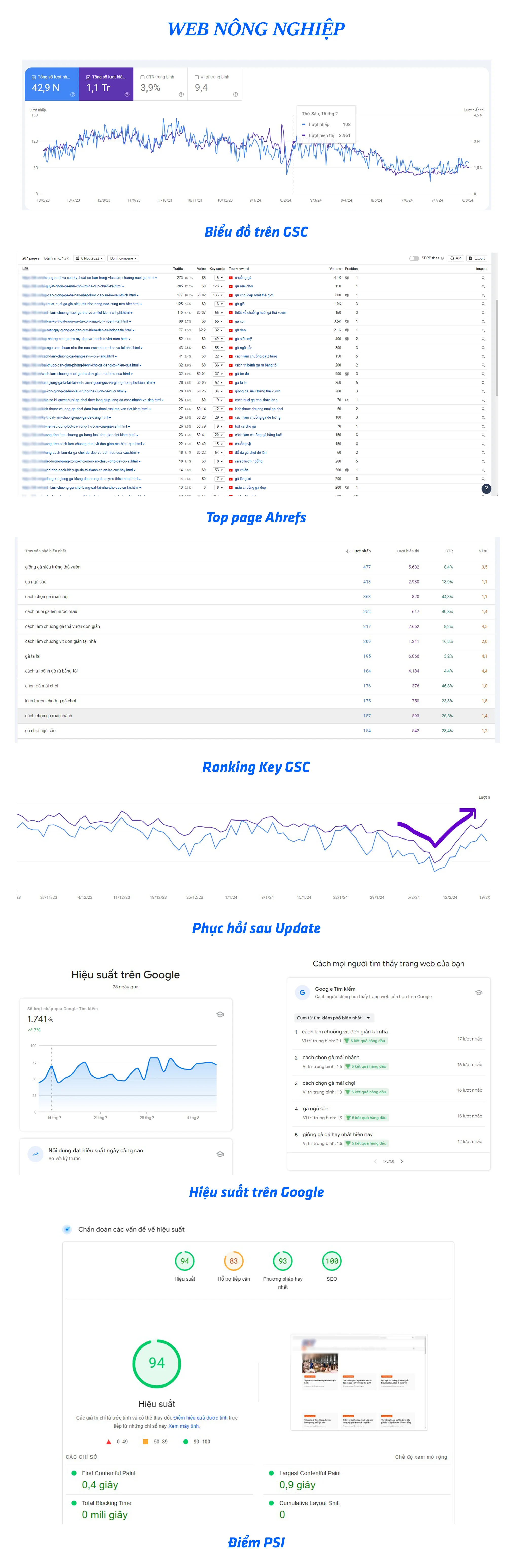
After a 12-month technical execution cycle, the project recorded measurable growth. Total impressions achieved the 1.1 million milestone, with over 42.9k organic clicks. The average system position remained stable at 9.4, reflecting widespread visibility for target query clusters. The average click-through rate (CTR) of 3.9% indicates the relevance of the resources to community search needs.
Domain authority metrics also showed consistent improvement according to third-party analytical systems. Securing premium positions for high-potential queries validates the technical roadmap. These results are the outcome of disciplined infrastructure standardization and a commitment to providing genuine utility to the agriculture practitioner community.
Optimization philosophy for site performance and user experience
Technical performance serves as a key factor in user retention. We focused on optimizing load speeds and ensuring full compatibility across mobile device ecosystems. Achieving high user experience (UX) scores not only assists in interaction metrics but serves as a significant ranking signal within modern search optimization frameworks.
The lessons from this case study confirm that when combining healthy technical infrastructure, standardized data research, and content that provides genuine human benefit, growth occurs naturally and sustainably. For a digital specialist or operations leader, understanding data dynamics and continuously refining strategies based on real-world feedback is essential for the long-term success of digital web entities.
Related Technical Studies
Technical Disclaimer
The analysis provided in this study is based on observed data from internal administrative dashboards during specific implementation cycles. Performance effectiveness may vary based on objective market variables, competition levels, and periodic updates from third-party algorithmic systems. This information is shared for educational reference, and we assume no liability for individual execution results on private projects.