Introduction to the software project and case study background
The Phanmemtrondoi.com project was initiated as a technical pilot model to evaluate search engine crawling and indexing behaviors in the technology and software niche. In the modern digital era, managing the length and structure of your written content is crucial. Since this was designed as a personal test case, the primary objective extended beyond raw visitor counts to establishing a repeatable, high-efficiency execution framework.
The campaign targeted stable organic traffic indexes, optimizing the platform to capture distinct, high-intent user queries within the software utility sector without relying on paid advertising options. This required coordinating technical site architectures and establishing comprehensive topic resources.
The role of balanced keyword distribution in modern content design
A structured keyword strategy was used as the primary driver of organic traffic. We focused on identifying low-competition, high-intent phrasing targets—often referred to as "phantom keywords"—where current search results are thin or fail to resolve user queries. This approach allowed a new platform to quickly achieve premium placements on search results.
The keyword research and optimization process followed three technical stages:
- Opportunity Identification: Using standard analytical dashboards to isolate terms with low competitive difficulty and high informational value.
- Competitor Analysis: Evaluating competitor layout depth to ensure our content outlines were more comprehensive.
- Intent Alignment: Writing detailed content designed to resolve specific user queries directly, matching on-page copy with search intent.
Establishing structured entity verification profiles
A vital part of the project's success was the implementation of a structured social profile strategy. We recognized that on-page content alone is insufficient; search crawlers require corroborating signals across high-authority external platforms. Unifying standard brand parameters across social networks helped search systems verify the platform's professional authority.
We established a coordinated brand presence across major social networks, distributing original, useful resources to foster community engagement. This multi-channel footprint generated steady referral traffic, protecting our organic search presence from algorithmic volatility. This systematic approach ensures your web properties maintain a cohesive, robust presence.
Managing crawl indexing and domain authority metrics
In modern compiled development, structured content strategies must prioritize natural, algorithmic indexing. We strictly avoid using indexing manipulation tools that force search engines to crawl and index content prematurely. Instead, we concentrate on optimizing technical site architectures, maintaining clean codes, and delivering genuine value. When content is structured logically, search crawlers will prioritize indexing and caching your pages naturally.
Important Notice on Modern Content Writing
Relying on low-quality automatic text spinners (Spin Content) is no longer effective in modern search landscapes. Crawling systems have advanced significantly in identifying original, helpful content. We advise webmasters to focus on creating detailed, original articles based on actual, personal experience to safeguard domain authority.
Analyzing organic performance indicators and growth metrics
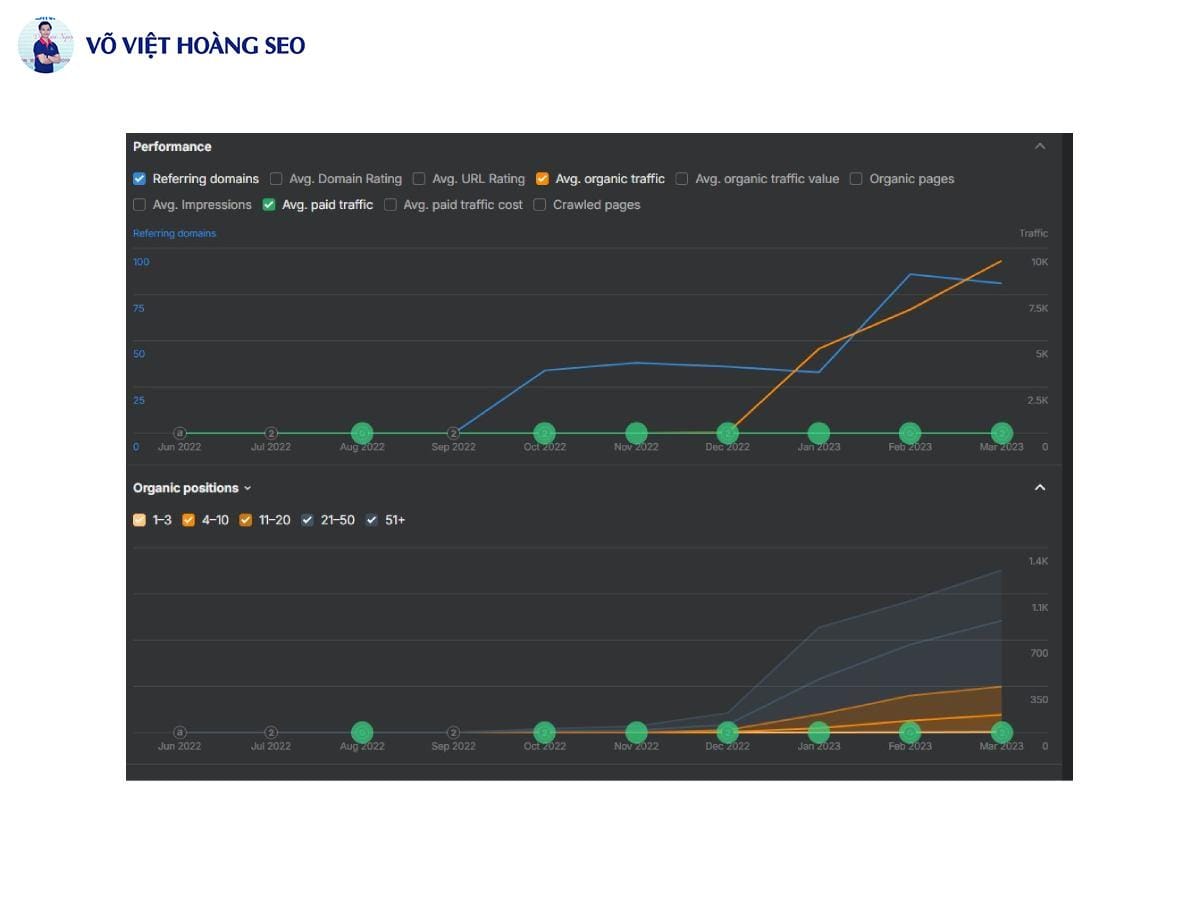
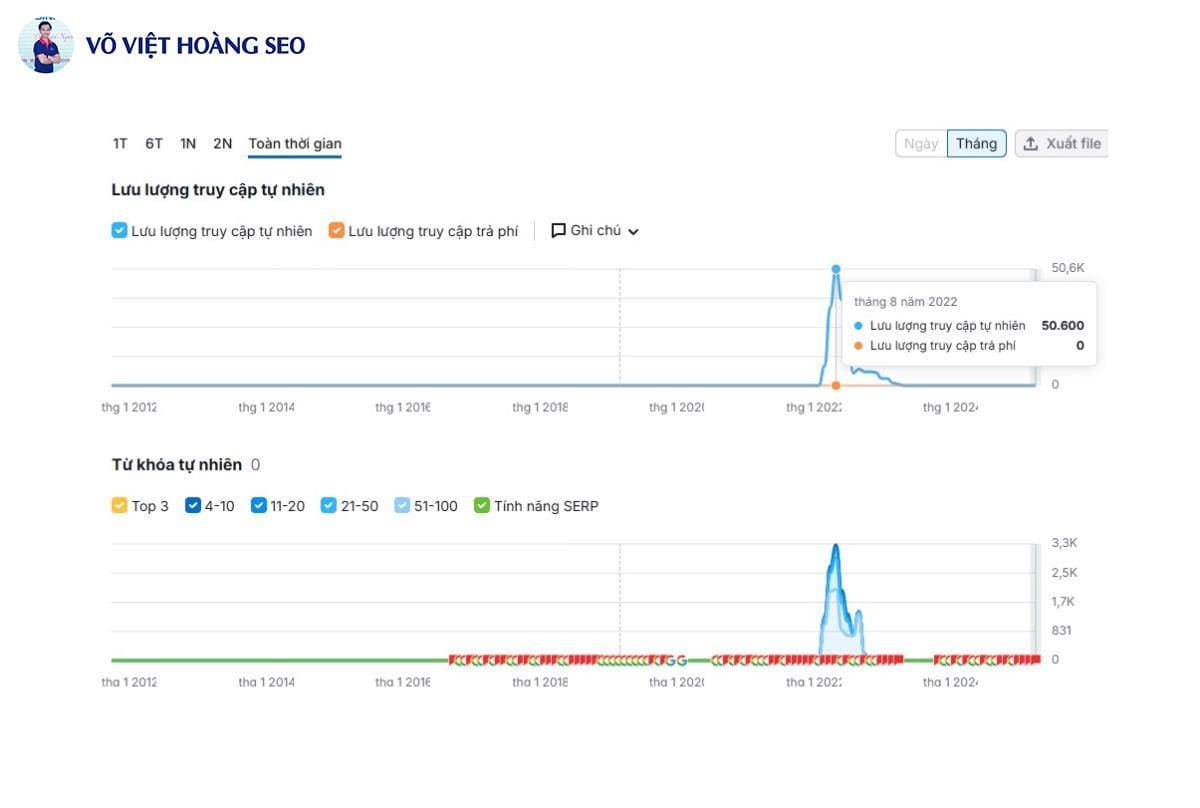
At the conclusion of the campaign, the project logged excellent organic growth, reaching over 22,000 monthly visits according to Ahrefs, and peaking at 50,000 monthly visits on Semrush. This verified that combining clean, helpful content with structured entity signaling delivers reliable, visible growth.
The core lesson of this case study is that in the era of entity-based search, the quality of your supporting networks depends on the transparency of your digital footprints. For search planners, understanding how algorithms link digital signals is key to success. We recommend prioritizing user value and data consistency to build a sustainable digital marketing ecosystem capable of adapting to future technological changes.
Related Technical Studies
Terms of Use & Disclaimer
The analysis provided in this Case Study is based on technical observations compiled during our platform audits. Quantitative indicators and authority metrics vary by industry, geographic location, and domain authority. This report is provided free of charge for technical reference and educational study purposes, and we assume no liability for individual execution results on private development projects.