Project context and entity validation goals
In the operational management of digital content platforms, establishing baseline authority for new domains remains a significant technical challenge. This project was conducted as a technical pilot to evaluate search engine responses to clean "Entity Signals." The core objective was to enhance foundational domain metrics—specifically Domain Rating and URL Rating—without relying on inorganic link intervention methods.
The strategy aimed to construct a robust framework, enabling search crawlers to recognize the brand as a verified and consistent source of information. Enhancing brand recognition through a multi-channel presence not only assists in attracting organic search discovery but also stabilizes the domain against algorithmic fluctuations by reinforcing Experience, Expertise, Authoritativeness, and Trustworthiness (E-E-A-T) parameters.
Synchronized profile network architecture
The Digital Entity Synchronization technique was deployed as a foundational infrastructure for brand identification. We initiated the optimization of profiles across high-authority social networks and digital communities. This process required meticulous standardization of naming conventions, professional categories, and visual identification elements to create a fully cohesive digital footprint.
Following profile establishment, advanced schema markup was utilized to bridge these touchpoints with the official domain. This technical reporting informs search crawlers that the various external accounts and the primary website belong to the same verified entity. This logical mapping facilitates an efficient and transparent increase in the platform's overall trust score.
Advanced interlinking and content layering techniques
A Tiered Synchronization method was applied to optimize the flow of link equity. Rather than allowing profiles to exist in isolation, we established a cross-linked network between social platforms and supporting log systems. This technique distributes authority from established high-metric domains toward the target platform, creating a logical crawl path for automated indexing systems.
Content distribution from the primary website to these platforms followed a strictly informational utility principle. The focus remained on providing supplemental value to readers rather than link density. The combination of current informational topics and a stable tiered framework creates a dense information ecosystem, supporting the domain in achieving improved visibility for targeted informational queries.
Natural indexing mechanisms and system trustworthiness
A critical distinction in this technical study is the prioritization of Natural Indexing. We abstained from using forced indexing tools to prematurely record links. Instead, we allowed search engine crawlers to discover and evaluate data based on relevance and update frequency. This approach ensures the domain maintains a "clean" status and is recognized for its authentic data structure.
Allowing indexing to occur within standard search engine operational cycles ensures the sustainability of authority metrics. When crawlers autonomously discover and validate the entity network, the trust established for the domain is more resilient. This is a vital lesson in protecting web assets from the technical risks often associated with uncontrolled growth campaigns.
Metric evolution and growth data evaluation
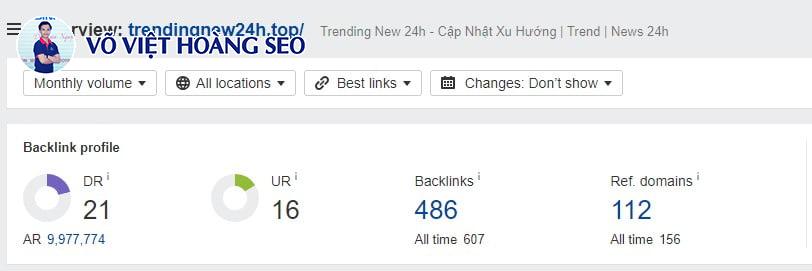
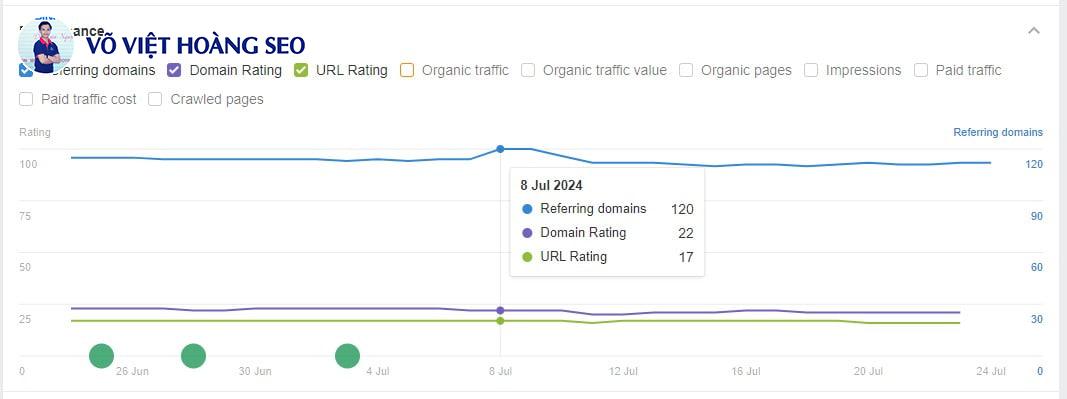
After a 30-day structured implementation cycle, the project recorded measurable growth. URL Rating (UR) reached 17 and Domain Rating (DR) achieved 22, starting from zero baseline. The system verified contributions from over 112 referring domains and 328 clean backlinks, all originating from the established entity network. The platform also began attracting organic discovery for queries related to technology and lifestyle news.
These results reflect the efficiency of combining entity identification with scientific link flow management. Success is measured not only by quantitative metrics but also by the synchronized visibility of the brand across multi-channel search results. This serves as evidence that understanding how algorithms link data allows a website to achieve the authority necessary for long-term stability.
Lessons in digital asset management
The primary takeaway from this analysis is the importance of maintaining consistency and adhering to safe technical protocols. For a digital specialist, building domain authority is a journey requiring technical discipline and a deep understanding of infrastructure. Sustainable performance stems from creating genuine signals that provide value to the digital ecosystem and are naturally recognized by search systems.
Related Technical Studies
Technical Disclaimer
The analysis provided in this report is based on observed data from a technical pilot project. The effectiveness of optimization methods may vary based on industry variables, competition levels, and individual site infrastructure. This information is shared for technical reference purposes, and we assume no liability for individual execution results on private projects.