Context and objectives of real-time search discovery
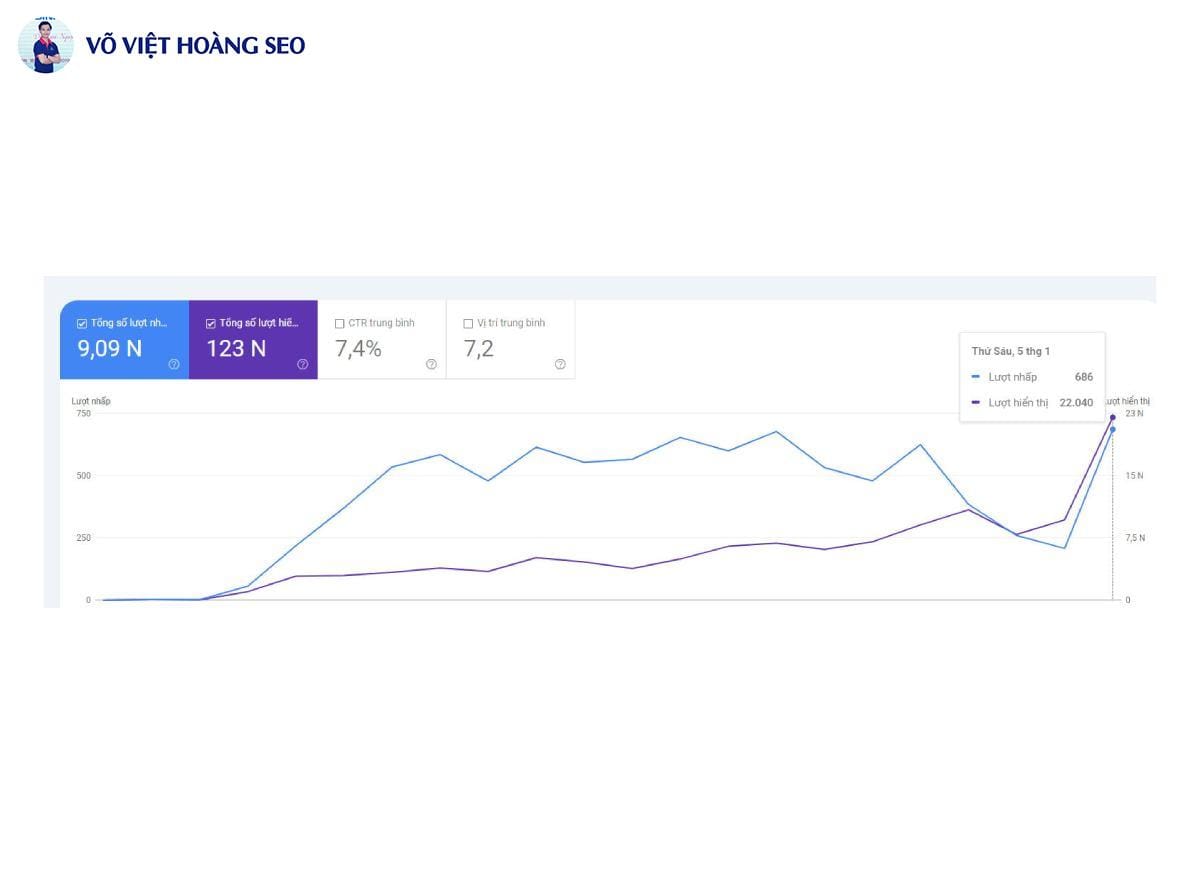
In the operational lifecycle of digital content assets, the ability to synchronize with fluctuating user interest patterns is a critical technical skill for achieving substantial visibility milestones. This project utilized a technical framework centered on visual storytelling formats—specifically designed for prioritized mobile rendering by modern search engines. The primary objective was to evaluate a data-driven pipeline for isolating emerging query trends and converting them into documented traffic, resulting in nearly 10,000 organic visits within a two-week observation window.
Prior to the campaign launch, the platform was established with a robust digital entity framework. This provided search crawlers with a verifiable baseline of trustworthiness for newly published resources. The strategy avoided high-competition keyword saturated sectors, focusing instead on identifying immediate informational needs where the current supply of high-quality, structured content remained limited.
Mechanism for target query identification via trend data
The execution workflow began with systematic monitoring of real-time search trend platforms. We analyzed thematic clusters showing significant interest spikes. However, keyword selection extended beyond raw volume; we employed advanced technical checks (such as title-specific density analysis) to evaluate the feasibility of achieving premium placement within short-term result sets.
The technical analysis stages included:
- Thematic Filtering: Selecting trends strictly aligned with the domain's core professional categories to maintain entity consistency.
- Competitor Difficulty Assessment: Identifying high-volume opportunities where the number of professionally optimized resources remained low.
- Temporal Forecasting: Estimating the lifecycle of specific trends to allocate content production resources at the most effective intervals.
Optimization of visual storytelling and mobile experiences
The visual content format required a careful integration of concise data and high-resolution media. We structured content based on user intent mapping, ensuring each segment of the narrative provided specific reference value. Target phrases were integrated into titles, metadata descriptions, and structured data markers to facilitate efficient categorization by automated search crawlers.
The use of multimedia elements (optimized images and short-form video) served both to capture user attention and to enhance interaction metrics. These behavioral signals are significant indicators of content utility. We adhered to platform-specific technical standards to ensure rapid load speeds, providing a seamless mobile experience across all verified device types.
Technical verification signals and referral networking
To reinforce the authority of trend-based content, we deployed a supporting network of signals from verified social platforms and professional communities. Distributing content within relevant discussion hubs generated immediate referral discovery during the initial indexing phase. This serves as a critical trigger for search crawlers to prioritize data collection and index the resources faster than traditional discovery cycles.
Furthermore, establishing links from domains with established authority metrics validated the trustworthiness of the new content entity. We maintained a disciplined link management process, ensuring that the flow of authority was directed naturally. The synergy between time-sensitive content and a stable verification framework allowed the project to achieve rapid traffic breakthroughs while maintaining system integrity.
Performance analysis from search dashboard indicators
After a rigorous 14-day execution cycle, the project recorded measurable success across search performance dashboards. Total clicks reached over 9,000 with 123,000 total impressions. The Click-Through Rate (CTR) of 7.4% indicates a strong alignment between resource titles and actual user search intent. An average position of 7.2 demonstrates that the platform successfully secured visibility for high-intent query clusters.
The core lesson from this case study is the importance of integrating real-time data with rapid technical execution. For a digital specialist, being responsive to market shifts while maintaining a deep understanding of diagnostic tools is essential. The campaign's success not only provided organic discovery but also refined the organizational workflow for trend-based optimization, establishing a repeatable model for sustainable asset growth.
Related Technical Studies
Technical Disclaimer
The analysis provided in this technical report is based on observed data from specific implementation cycles. Performance indicators may vary based on objective market variables, industry competition, and individual site infrastructure. This information is shared for educational reference purposes, and we assume no liability for individual execution results on private projects without proper technical validation.