Entity signals from video sharing infrastructures
In the modern digital landscape, establishing a verifiable entity extends beyond the boundaries of a website's primary source code. Presence on major video-sharing infrastructures serves as a high-authority signal source, assisting search engines in validating the professional expertise of an author. The project was constructed to function as a core component of a broader identification ecosystem, where practical insights into search optimization and technical data processing are presented visually.
Synchronizing metadata between the primary domain and video repositories facilitates the creation of a cohesive "digital fingerprint." When search crawlers encounter an entity across multiple formats—text, image, and video—the perceived trustworthiness of the asset increases significantly. This is a fundamental aspect of an integrated entity strategy, where each platform provides supplemental authority to build a sustainable digital presence.
Technical evaluation of organic engagement indicators
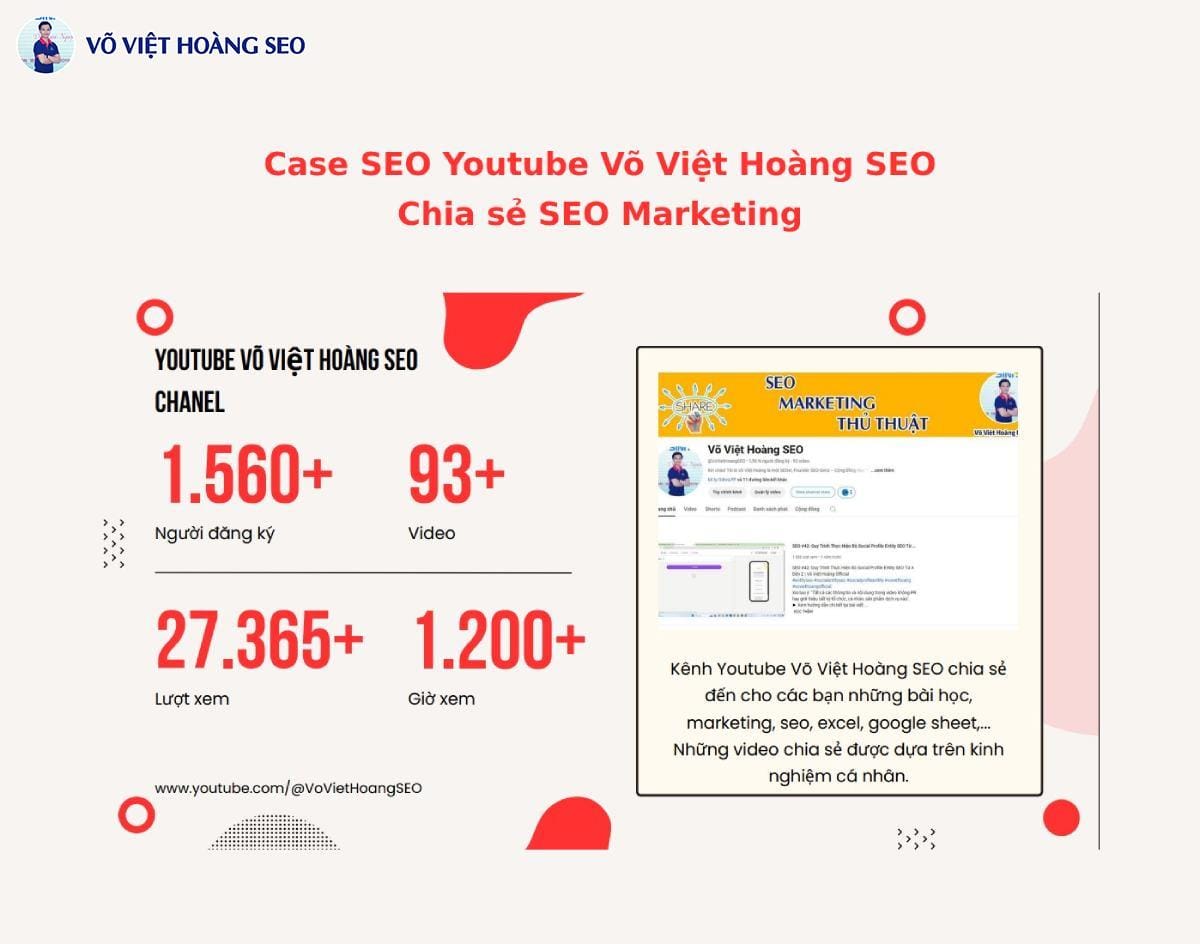
Observed data indicates consistent growth in both subscriber volume and informational watch time. With over 1,560 subscribers and 27,365 views, the channel has established a baseline for community interaction. A critical indicator in this report is the 1,200 informational watch hours, which validates the depth of the content and its practical utility for the user base.
The reception of the 93 educational modules reflects a significant demand for applied technical guidance. In a technical execution framework, we prioritize long-term retention and depth over rapid, superficial growth metrics. Maintaining a high audience retention rate for long-form instructional videos is a primary objective for search systems to recognize the content's relevance and helpfulness to users.
Optimization techniques for universal search visibility
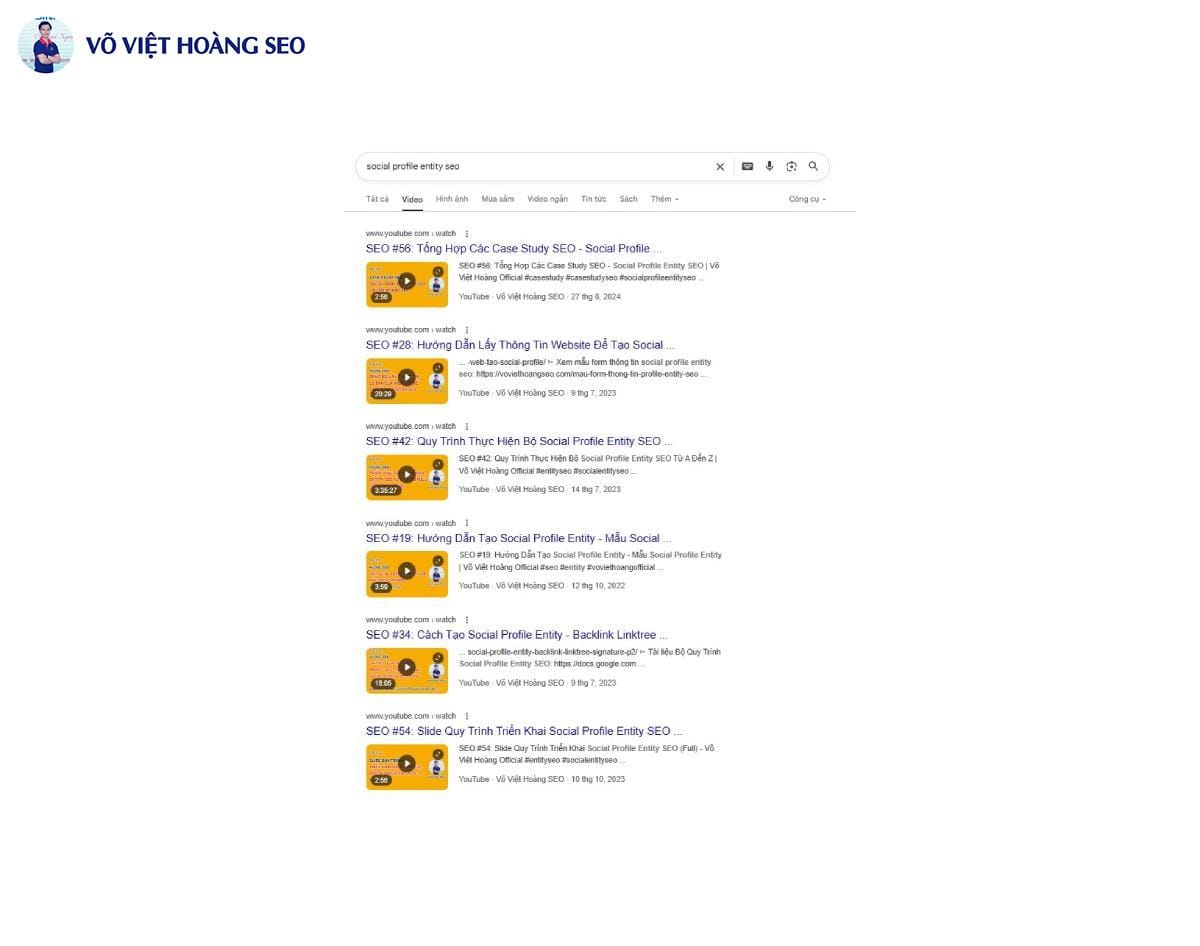
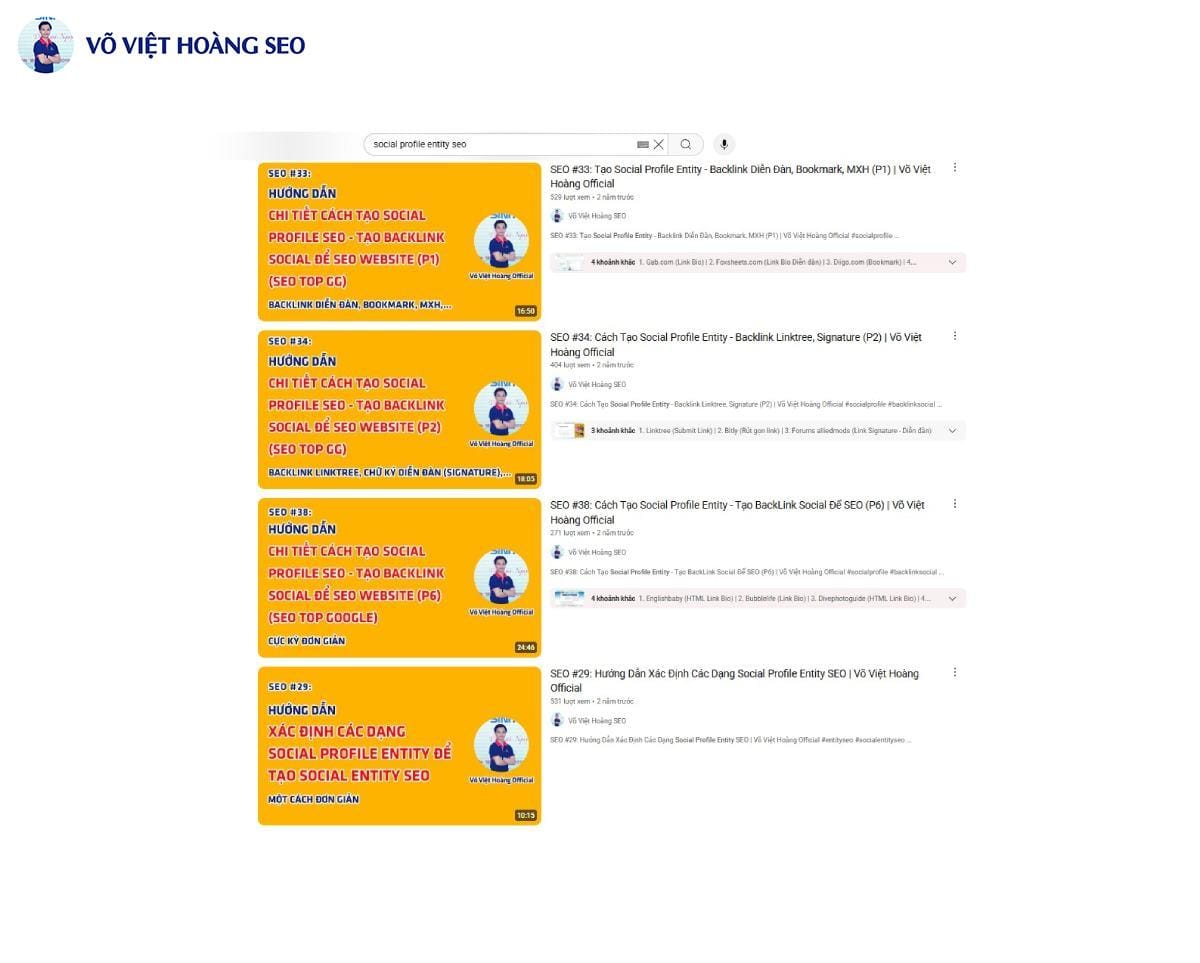
A key success factor for the project lies in the ability to render video content directly within universal search engine result pages. When users input specific identification queries, instructional videos often secure prominent positions, including integration into automated search suggestions. This enhances click-through rates (CTR) and fosters a natural flow of discovery from search systems to the video infrastructure.
- Metadata Optimization: Structuring titles and descriptions based on user intent, focusing on resolving technical challenges.
- Structured Data Integration: Linking videos to the primary site's schema markers to help crawlers understand the semantic relationship between written and visual resources.
- Visual Identity Mapping: Designing video preview elements (thumbnails) that are consistent with the broader brand identity, facilitating immediate entity recognition.
Cross-platform informational synchronization
This analysis highlights the effectiveness of signal layering (Social Stacking). Each informational module contains crawlable paths leading to digital technical publications or related diagnostic tools. Conversely, in-depth reports on the primary domain embed these videos to enrich the informational depth. This intersection creates a robust signal network, allowing crawlers to easily define the professional scope of the Vo Viet Hoang entity.
This synchronization adheres to established technical safety and data integrity protocols. Users are encouraged to evaluate supplemental technical case studies for a multi-dimensional perspective on optimization workflows. A clean, value-driven link network protects digital authority against volatility in platform-specific algorithms.
Sustainability of user-focused educational experiences
Ultimately, technical efforts must focus on serving human user experiences. A video repository is only as resilient as the practical solutions it provides. We prioritize responding to technical inquiries and updating informational modules in alignment with technological shifts. A commitment to transparency and knowledge distribution is the key to maintaining long-term digital authority.
Moving forward, this infrastructure will continue to serve as a dynamic knowledge repository for the Technical Learning Community. The results of this study serve as evidence that when optimization is implemented correctly with a focus on user utility, recognition from search systems becomes a sustainable outcome.
Related Technical Studies
Technical Disclaimer
The analysis provided in this study is based on observed data from the internal platform dashboard during specific implementation cycles. Engagement metrics and watch time indicators may fluctuate based on market trends and third-party algorithmic updates. This information is provided for academic reference and we assume no liability for individual execution results on private development projects.