Introduction to the financial project and case study background
In digital communications, finance represents an exceptionally competitive niche with strict requirements for information reliability. The Hoc Tai Chinh 24h project was initiated with the goal of sharing useful financial concepts with the community. For any SEO specialist, the primary challenge is determining how a new platform can establish search visibility and earn trust from crawling algorithms. Our campaign was built around establishing a transparent digital entity, connecting the website to highly reliable databases across the web.
The core strategy focused on improving organic traffic by strengthening foundational domain authority metrics (UR and DR). Understanding how search systems process data helped us focus on clean, organic entity signals rather than artificial linking practices. This process builds a sustainable foundation, helping websites maintain resilience against periodic algorithm updates.
Establishing structured entity verification profiles
The social profile entity strategy was deployed to establish a multi-channel presence. We initialized structured profiles across high-authority networks like Facebook, X (formerly Twitter), LinkedIn, and Instagram. Every profile was standardized with matching Name, Area, and Presence (NAP) details. This consistency assists search algorithms in recognizing and linking separate digital assets to a single unique entity.
Using structured schema markup is a critical technical step to declare relationships between your website and your social profiles. This establishes a robust data mesh around the *Hoc Tai Chinh 24h* entity. Optimizing personal brand profiles for the founder and supporting channels builds a dense ecosystem, assisting crawlers in generating search listings.
Advanced multi-tiered stacking and supporting weblog frameworks
A structured stacking strategy was applied to optimize the distribution of reference links. We did more than just create profiles; we interlinked social signals according to a multi-tiered network model. Distributing original, highly informative articles on supporting Web 2.0 weblogs helped spread brand footprint parameters naturally and safely.
Using authoritative platforms to host supporting articles helps the primary site reach a broader audience. Every published dataset complies with our helpful content guidelines, focusing on resolving technical user queries rather than relying on short-term manipulation tactics. Combining clean codes with a stable server-side architecture is the standard formula to protect websites from algorithmic instability.
Managing crawl indexing and domain authority metrics
A key feature of our approach is prioritizing natural, algorithmic indexing. We strictly avoid using indexing manipulation tools that force search engines to crawl and index content prematurely. Instead, we concentrate on optimizing technical site architectures, maintaining clean codes, and delivering genuine value. When content is structured logically, search crawlers will prioritize indexing and caching your pages naturally.
Maintaining an active presence in professional discussions helps websites accumulate genuine engagement signals. These interactions represent some of the highest-value trust indicators in modern search optimization. When crawlers identify natural user traffic moving between social platforms and your website, the entity's authority is validated, ensuring stable growth.
Analyzing organic performance indicators and growth metrics
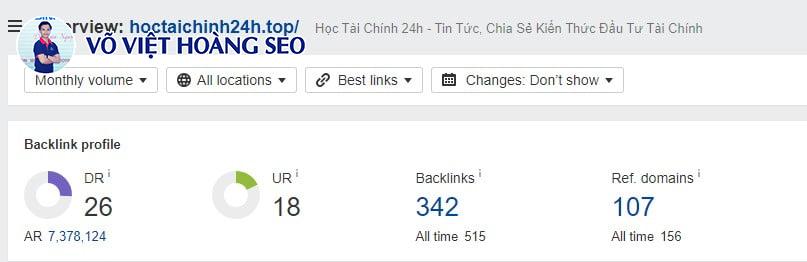
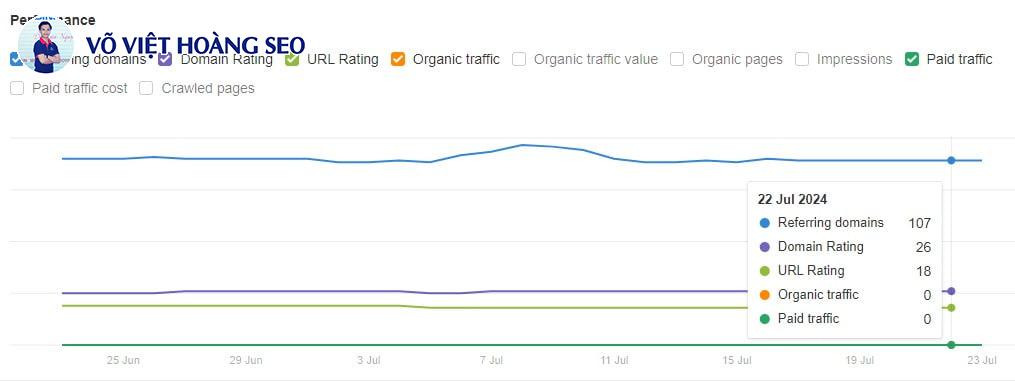
After approximately 30 days of implementing structured entity verification steps, the project logged excellent growth. Page authority metrics (UR) reached a score of 18, while domain authority (DR) climbed to a competitive score of 26. The backlink analyzer recorded 107 unique referring domains and nearly 350 clean inbound reference links, all generated from the newly verified social profiles and supporting weblogs.
This performance demonstrates the effectiveness of entity-focused search optimization. Building structured trust allows financial information platforms to rank well for specialized, informational search queries, driving organic traffic. This provides valuable authority signals to support main campaign targets, verifying your ability to manage complex digital asset systems professionally.
Strategic data management and long-term asset stability
The core lesson of this case study is that in the era of entity-based search, the quality of your supporting networks depends on the transparency of your digital footprints. For search planners, understanding how algorithms link digital signals is key to success. We recommend prioritizing user value and data consistency to build a sustainable digital marketing ecosystem capable of adapting to future technological changes.
Related Technical Studies
Terms of Use & Disclaimer
The analysis provided in this Case Study is based on technical observations compiled during our platform audits. Quantitative indicators and authority metrics vary by industry, geographic location, and domain authority. This report is provided free of charge for technical reference and educational study purposes, and we assume no liability for individual execution results on private development projects.