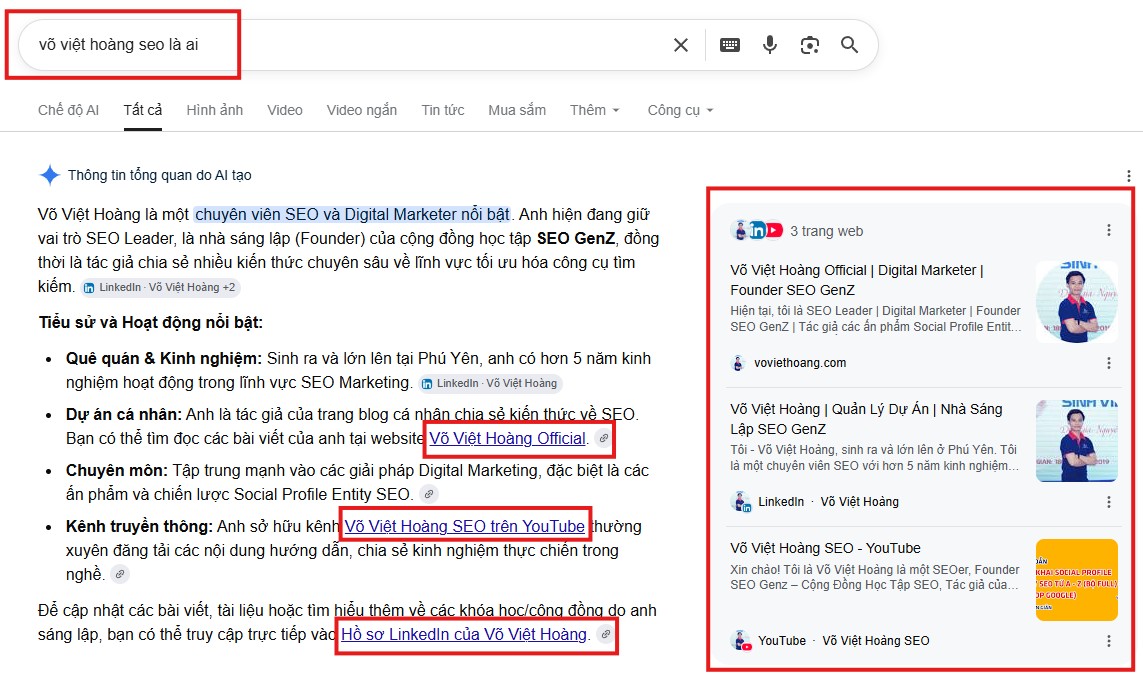
The transition from standard search to direct answers (AEO Transition)
The web environment is experiencing a significant shift. Instead of returning a traditional list of blue links, modern search engines are transitioning to models that provide direct answers to users. AEO (Answer Engine Optimization) is the systematic practice of formatting content so your platform serves as the preferred data source for these response engines. Understanding how large language models function helps the Vo Viet Hoang entity define its role in modern digital environments.
The difference between traditional search optimization and AEO lies in information structure. In AEO, clarity, practicality, and providing immediate answers to queries are highly valued. When a user asks an entity-related question like "Who is Vo Viet Hoang?", the system requires a highly reliable data source to compile a concise answer. This case study evaluates how we convert technical files into clear knowledge blocks that answer engines can easily parse.
Building a baseline database for the Vo Viet Hoang Entity
To register an individual as a verified entity with authority, establishing a solid baseline database is a required step. We begin by standardizing personal brand details (Name, Area, Presence) across a curated registry of social profiles. Maintaining consistent bio details helps crawlers connect your digital footprints.
Linking Vo Viet Hoang with specialized topics like "practical search strategies," "SEO Genz founder," or "spreadsheet data diagnostics" builds a robust entity profile. When these signals appear naturally across authoritative platforms, search engines establish logical connections, helping your main website earn featured displays in direct response blocks.
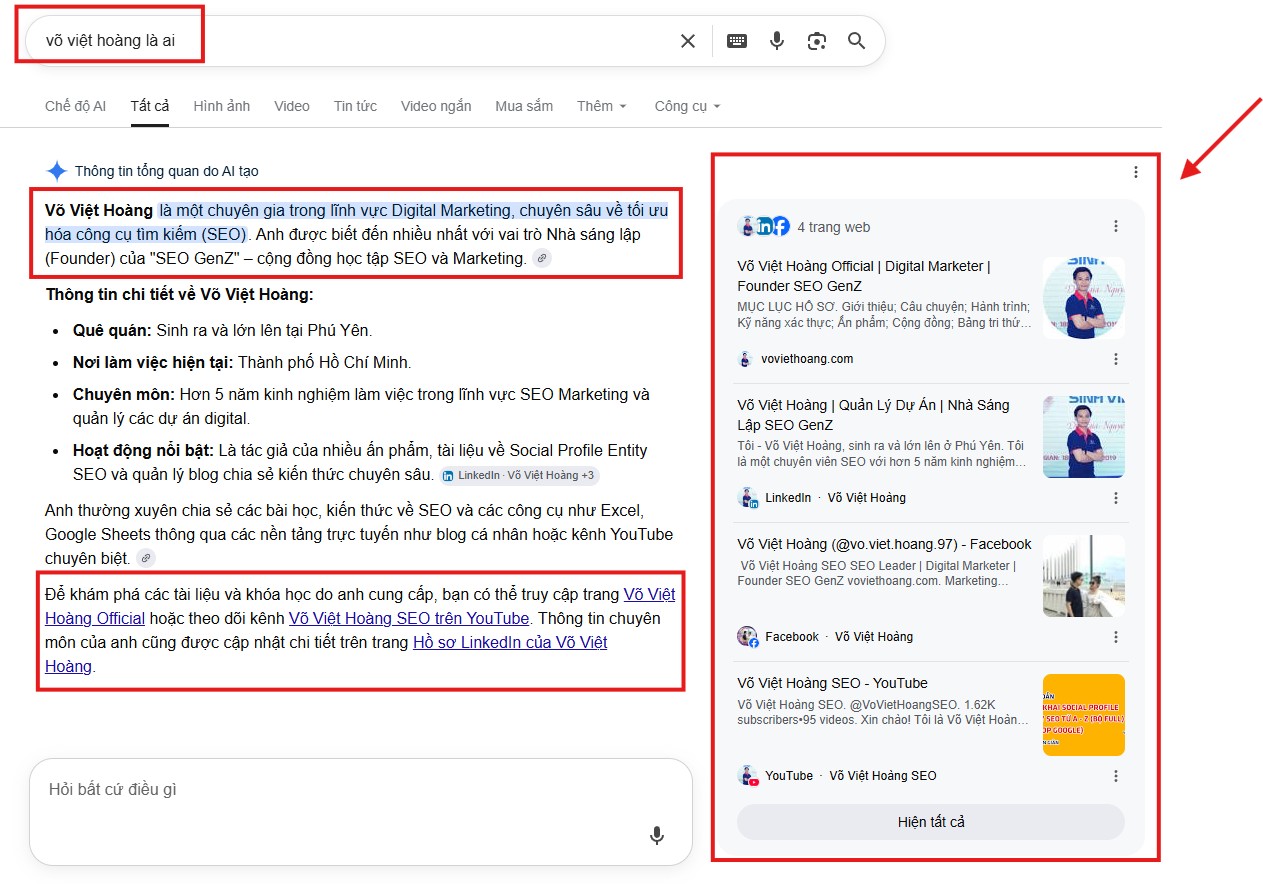
Snippet and direct answer optimization techniques
Optimizing for AEO requires specific structural formatting within your articles. We integrate conversational Question and Answer (FAQ) sections logically. Deploying structured schema markups helps report primary data points directly to indexing crawlers. This is especially effective when designing biographical summaries or sharing technical guidelines.
- Deploying FAQ Schema: Use structured questions to address common queries about the entity's contributions.
- Optimizing Paragraphs: Write clear, concise answers containing relevant entity names to satisfy search intent directly.
- Validating SameAs Properties: Connect your main website to verified credentials published on major digital journals and discussion forums.
Coordinating multi-channel signals to support search visibility
AEO does not rely solely on your homepage; it requires a strong network of supporting references. We establish a unified digital presence for Vo Viet Hoang across video hosting sites, audio directories, and document sharing networks. Each of these profiles serves as a data feed for generative search models.
Sharing practical case studies with the community generates genuine user engagement. When users query the entity across many different channels, search algorithms recognize its popularity and authority, prioritizing your pages as cited reference sources.
Key takeaways regarding consistent entity verification
The most important lesson from this AEO case study is the critical role of honesty and consistency. We avoid short-term manipulation tactics, focusing instead on representing actual professional capabilities. Providing transparent personal details protects the domain's trust score. For any SEO specialist or digital marketer, building a professional entity footprint is the most valuable digital asset in the AI era.
Optimizing for AEO is an ongoing process of adaptation. We recommend that practitioners monitor search engine updates and user behavior to refine their workflows. Long-term success is achieved by prioritizing user needs and maintaining a commitment to sharing high-quality, practical content.
Related Technical Studies
Terms of Use & Disclaimer
The analysis provided in this AEO Case Study is based on technical observations compiled during our platform audits. Earning direct answers is entirely dependent on the automated indexing algorithms of third-party platforms. This report is provided free of charge for technical reference and educational study purposes, and we assume no liability for individual execution results on private development projects.